Ugnė Grigaitė
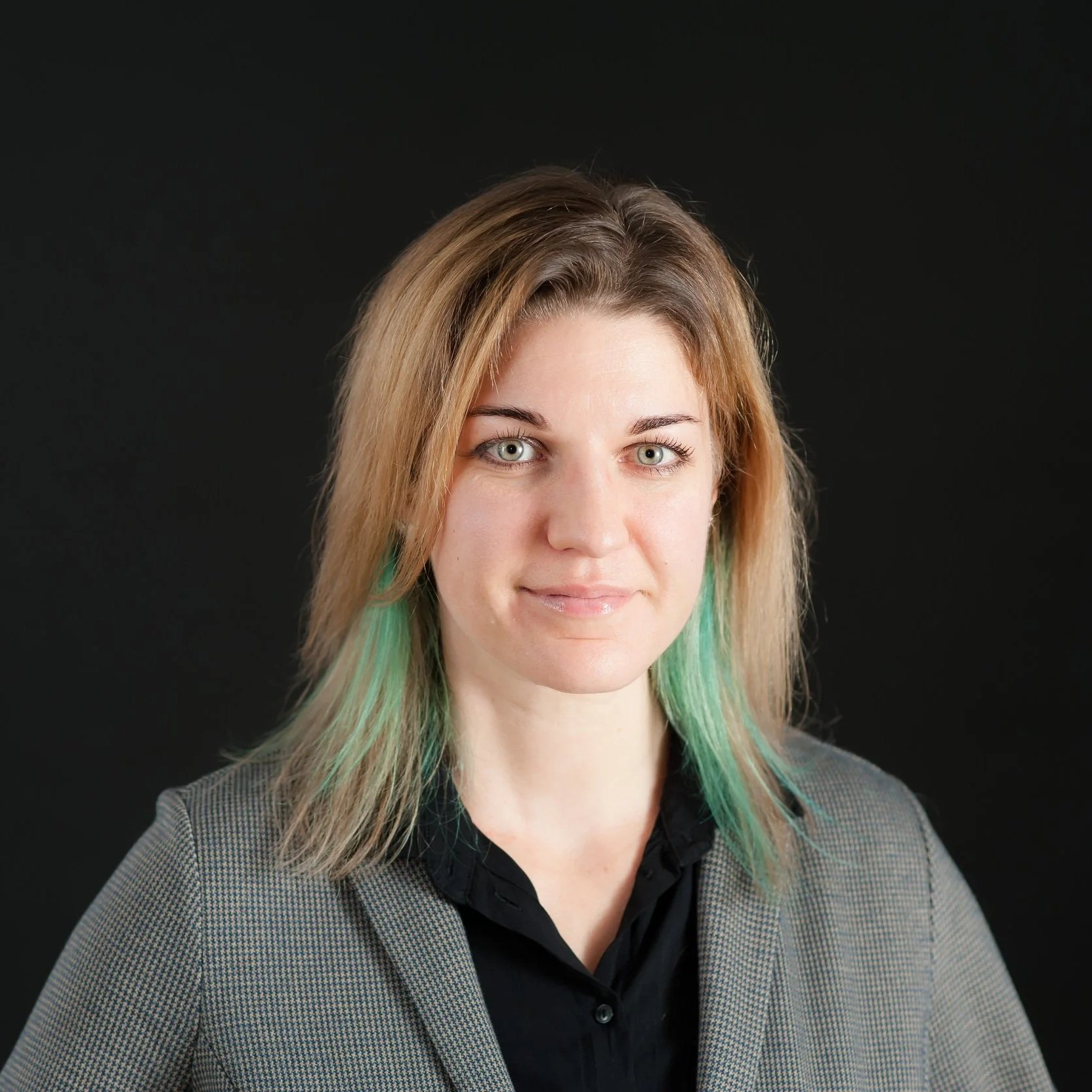
“I would advise anyone entering the field of Global Health to do so with an open mind and an open heart. The work can be challenging - it often requires navigating complex ethical questions, diverse cultural contexts, and emotionally demanding situations. Yet these same aspects are also what make the field so rewarding”
Country of birth: Lithuania
Country of residence: Lithuania
Areas of expertise within Global Health: Mental health: the human rights-based perspective; global public mental health; mental health policy and services; Psychosocial model; Recovery approach; Lived Experience research and practice. - Disability rights: the UN Convention on the Rights of Persons with Disabilities; and the WHO QualityRights Initiative. - Gender-based violence, especially intimate partner violence, and how it's interlinked with mental health; trauma- and violence-informed care
Education: PhD in Global Public Health (with Distinction, 2025), Lisbon Institute of Global Mental Health, Comprehensive Health Research Centre/NOVA Medical School, National School of Public Health, NOVA University of Lisbon, Portugal. - MSc (graduated in 2017), International Master in Mental Health Policy and Services, NOVA Medical School, NOVA University of Lisbon, Portugal. - BA Honours (graduated in 2008), First Class Degree in Social Work, University of Lancaster, UK
Professional experience: Starting in 2006, I spent six years working at the Social Services of Lancashire County Council in the UK, supporting persons with intellectual and/or psychosocial disabilities and adult victims of abuse. I then spent almost one year in India and Nepal doing voluntary work and conducting research on gender-based violence and the abuse of women accused of witchcraft. Since 2013, I have been working in the NGO sector in Lithuania, managing various national and international projects in the fields of mental health, disability, human rights, and gender-based violence. These projects have been implemented not only in Lithuania and other EU countries, but also in Belarus, Ukraine, Russia, and Georgia. In 2017, I became a certified member of the Lithuanian QualityRights team with the WHO. In 2025, I completed my PhD at the Lisbon Institute of Global Mental Health as part of the doctoral programme in Global Public Health in Portugal
Languages: Lithuanian (native); English (fluent); Russian (intermediate); Portuguese (beginner)
Countries in which Mentor has worked: UK, Lithuania, Latvia, Estonia, Portugal, Belarus, Ukraine, Georgia, Russia, India, Nepal
Why do you want to be a Mentor?
I believe in the value of building mutually beneficial professional relationships and experiences. At the start of my career, I deeply appreciated the support I received from mentors and more experienced colleagues. I now know that I can offer similar support to others at the beginning of their professional journey and, hopefully, contribute to their successful development. At the same time, I still have much to learn myself, and I genuinely enjoy collaborating with junior professionals, volunteers, and interns - not only supporting them, but also learning from each other.
I enjoy discovering what can emerge from bringing together different perspectives across professional fields, geographical regions, cultures, or age groups, and seeing what new ideas can arise from that. I value discussion, constructive critical reflection, and mutual challenges that encourage us to see the same issues from several angles. I look forward to learning more about new ways of looking at long-standing problems, innovative paths forward, shifts in public perception, and developments in technology, among others